





History of GMC Trucks

Path of the Big Rig!
The history of GMC trucks is one that proudly spans more than a century — 111 years to be exact! Through the decades, refinements, new design features and growing capacity and power have resulted in GMC being synonymous with premium manufacturing and quality. From its beginnings as a commercial truck and through the years, see the journey unfold!
Here’s more…

History of GMC Trucks
The back story!
It was in 1908 that William Durant, the owner of General Motors Co., purchased the Reliance Motor Car Co., merging just a year later his Rapid Motor Vehicle Co. with it to form the General Motors Truck Co. From that collaboration, the automaker has grown to become one of the premium manufacturers of trucks and SUVs in the country. Through its trucks GMC has not only grown, but evolved.

1902
In this year, the Rapid, considered the first commercial truck in the lineup, was produced by Max and Morris Grabowski. Simple in its design, this truck was slightly more than just a bench seat with wheels and a frame. It was powered by a 15-horsepower engine, a far cry from the trucks of today, with more than 75 selling in the first two years.

1927
The 2-Ton Tanker made its debut, boasting such design elements as curvy fenders, chrome-plated radiator trim panels and headlights attached to the radiator. This represented the automaker moving away from the former boxier versions and establishing the unique look linked to a GMC truck. A year prior, in 1926, a six-cylinder two-ton GMC truck completed a record-breaking run from New York to San Francisco, completing the journey in five days and 17.5 hours. This era also brought forth other new design features such as the first chrome-plated radiator surround.
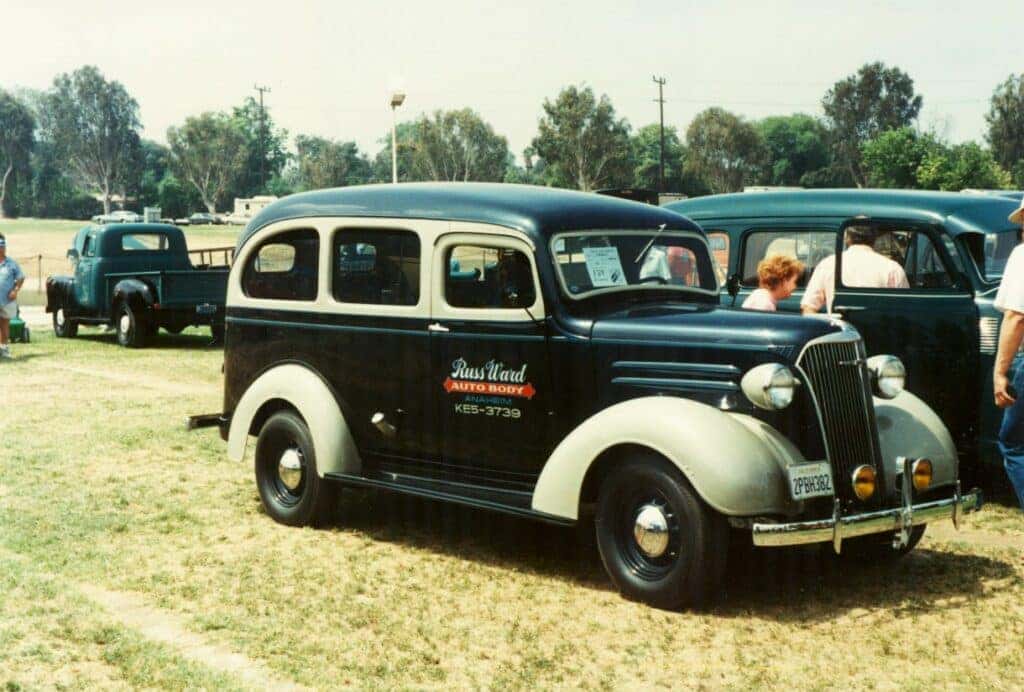
1937
A hint of the modern Suburban of today took root, with the Suburban Carryall, a vehicle first produced this year and one that combined the utility of a truck with a car’s ability and capacity to carry passengers. GMC also expanded its color palette during this time, while further modifying the truck’s overall design with the start of swooping fenders and a sloping grille.
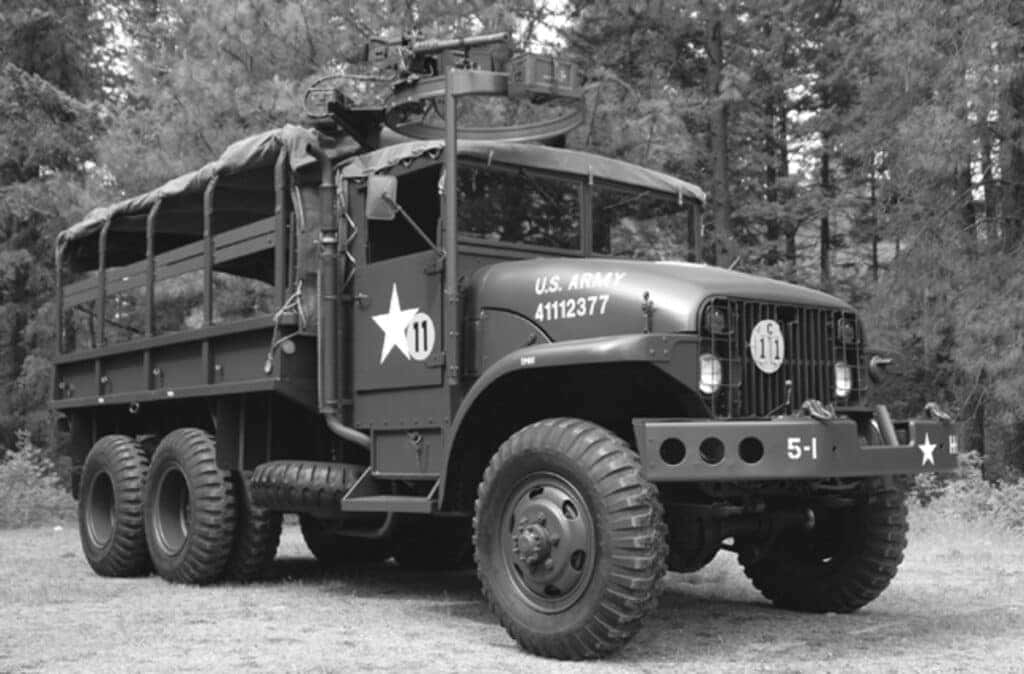
1940s
The number of trucks produced sees growth, with a total of 600,000 provided by GMC to the U.S. military over the course of World War II. Features that defined these models would transfer to post-war consumer trucks, including the 1949 FC-102. Add ons like headlights that were integrated into the truck’s frame instead of the grille, and a lower, wider body were presented.

1955
The 100 Series, where GMC introduced the first V-8 engine as an option, took root. While this was not the choice for many who rather opted for the six-cylinder engine, passenger cars continued to be the influence for truck design during this era. Highlights during this time were hooded headlights and panoramic glass. Also, consumers paid particular attention to performance, comfort and safety, with this era marked by the additions of hooded headlights and a panoramic rear window.
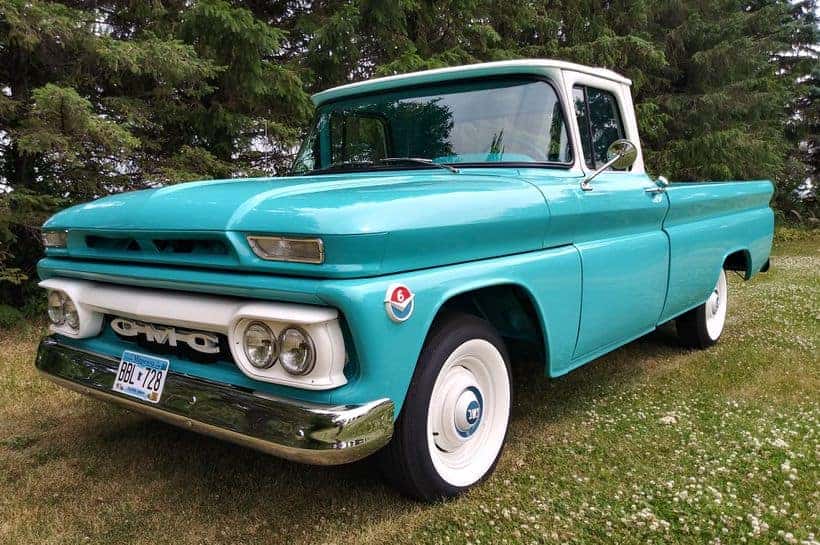
1960
A half-ton pickup dubbed the GMC 1000 debuted, with this model featuring a full-width hood, a first for GMC trucks. New design features were also presented during this time, including “jet pod” grilles and a “pinched-waist” crease on each side of the body. Independent front suspension was also added to the lineup of trucks.

1971 and beyond!
Following the passing of lower-octane unleaded gas mandates, the Sprint was unveiled, presented as a vehicle with reduced engine compression and smog pump fitted to the tailpipe to control emissions. Other modern-day features presented on this model included air conditioning, cruise control, power locks and power windows. Considered luxury in this day and age, they served to increase the vehicle’s price tag.
The 1970s saw a further advancement of the GMC truck with the introduction of the Crew Cab, made clear in the GMC Sierra 2500. This vehicle added a second row of seats, which served to increase passenger capacity. In addition to this added space, improvements were made to overall comfort in the cabin, with additional padding utilized over bare metal. The automaker also began to produce heavy-duty models with dual rear axles, helping to serve the needs of this era’s commercial customers.

1987
Full-size pick up trucks began using the name “Sierra,” which was once the name given to a trim style. This equated to an updated look that featured a new aerodynamic body style, representing the first major update in more than a decade. The Sierra was also presented with automatic transmission with overdrive, power steering, power brakes, air conditioning, cruise control and the power of a fuel-injected 350 V-8 engine.
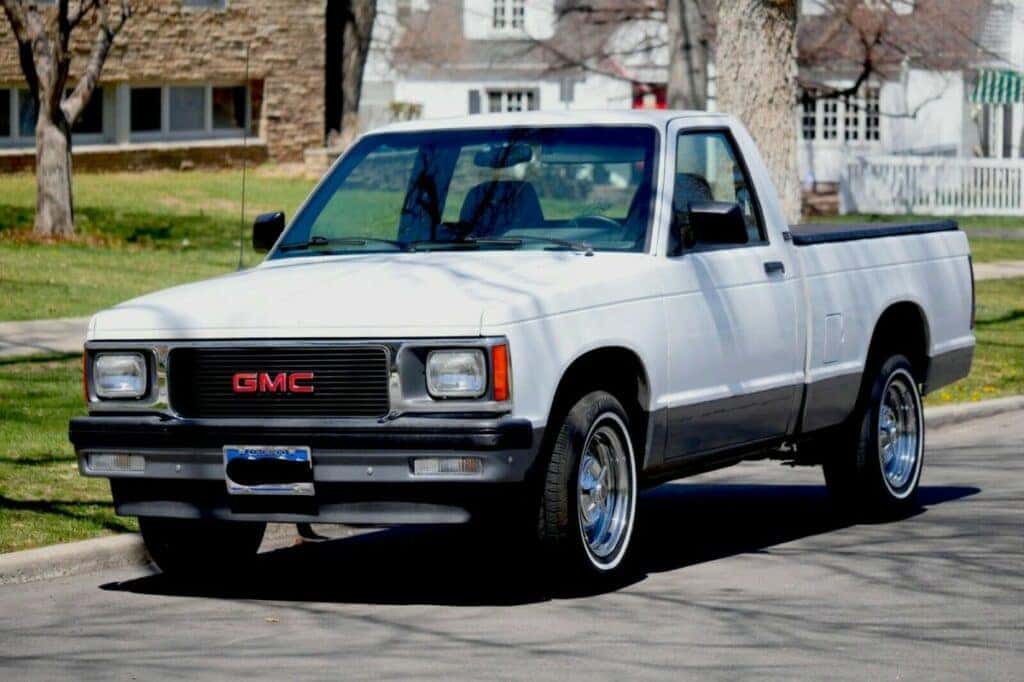
1990s and beyond!
During this year, the GMC S-15 became the Sonoma, one of the many new brand names that took root in the 1990s. A new grille, bumper rub strips and body side moldings marked the new design, with further changes occurring later in the decade, including the addition of a hinged third door, which allowed passengers the ability to access rear seating without having to maneuver behind the front seats.

2007
More and more features started to be added to the GMC trucks, with the automaker entering the new millennium as the official sponsor of the U.S. Olympic Team. A Duramax diesel engine was
among the major additions during this time to the Sierra HD, with the 2007 Sierra 1500 boasting the Denali trim and its wide array of luxury features such as higher precision power steering and an improved chassis.
2018
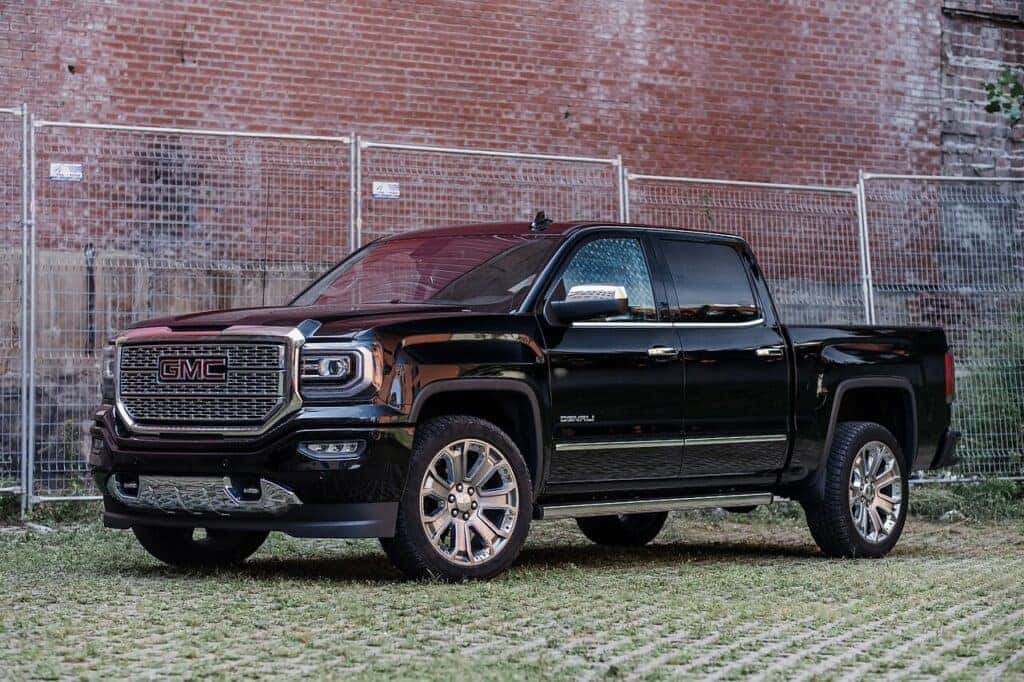
Technological advancements and new and better features enhancing safety and communication occurred throughout the 2010s, including the onset of the 2018 Sierra. This model was presented with a backup camera, 7-inch touchscreen and a tire pressure monitor with tire-fill alert. In addition, OnStar with 4G LTE and a Wi-Fi hot spot as well as Apple Car Play and Android Auto connectivity was standard on all trims.
Manufacturing trucks since 1902, GMC remains among the industry’s leaders and healthiest brands. It is one which is rooted in innovation and excellent engineering. Capable, powerful and the pickup of the past and future, the path to the Big Rig is one undoubtedly linked to quality and performance!
0 comment(s) so far on History of GMC Trucks